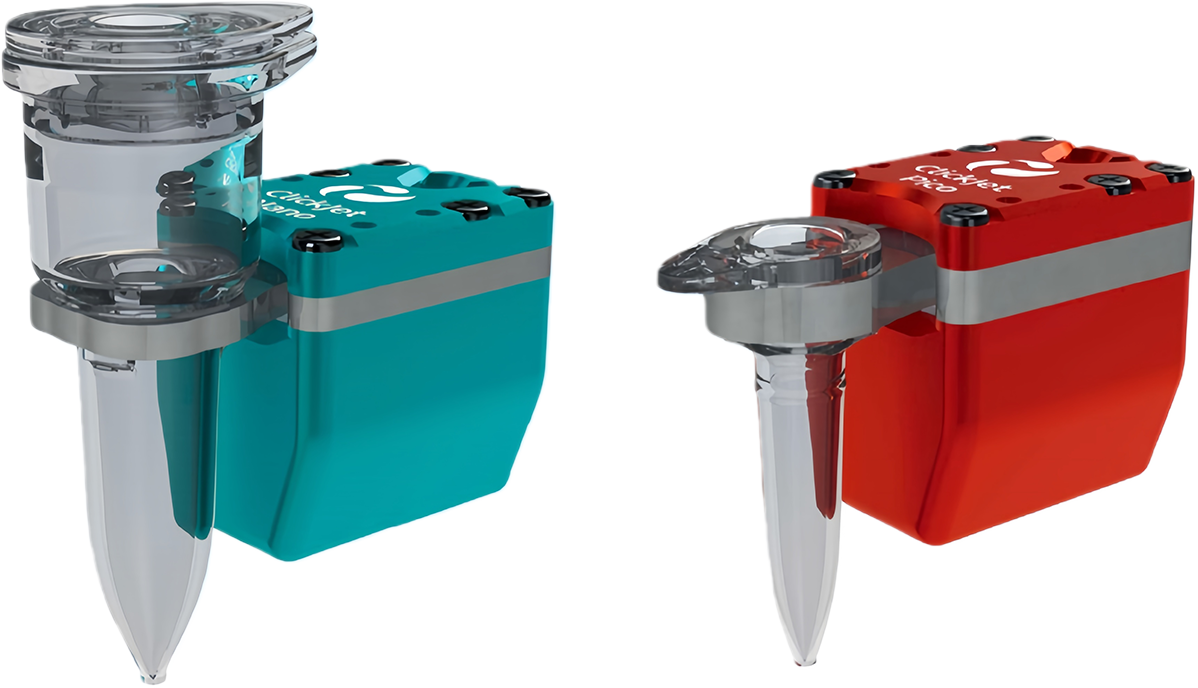
Processing small volumes of liquid (in the nanoliter or microliter range) is a fundamental task in modern laboratory sample processing and testing. Automatic pipetting, mixing and dispensing of various liquids are prerequisites for processes such as low-volume PCR.
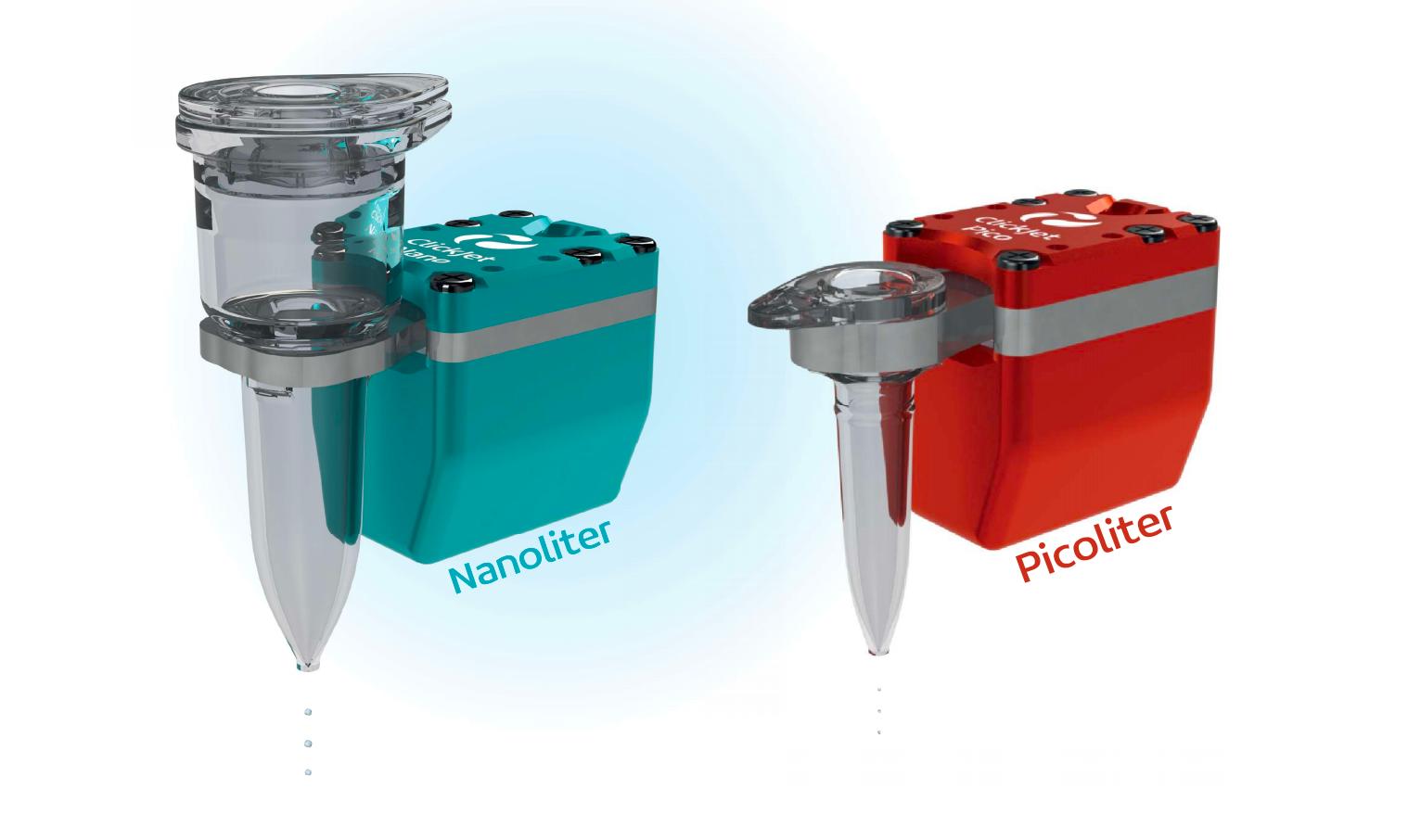
Extreme Miniaturization
Purchase cost is 75% lower than that of dispensing systems with equivalent precision
100% contamination-free thanks to the quick-change system of the nozzle cartridge ClickTube
ClickTube can be replaced in seconds without any tools
Non-contact jet dispensing prevents cross-contamination of samples
No nozzle rinsing required, saving time and valuable, costly resources

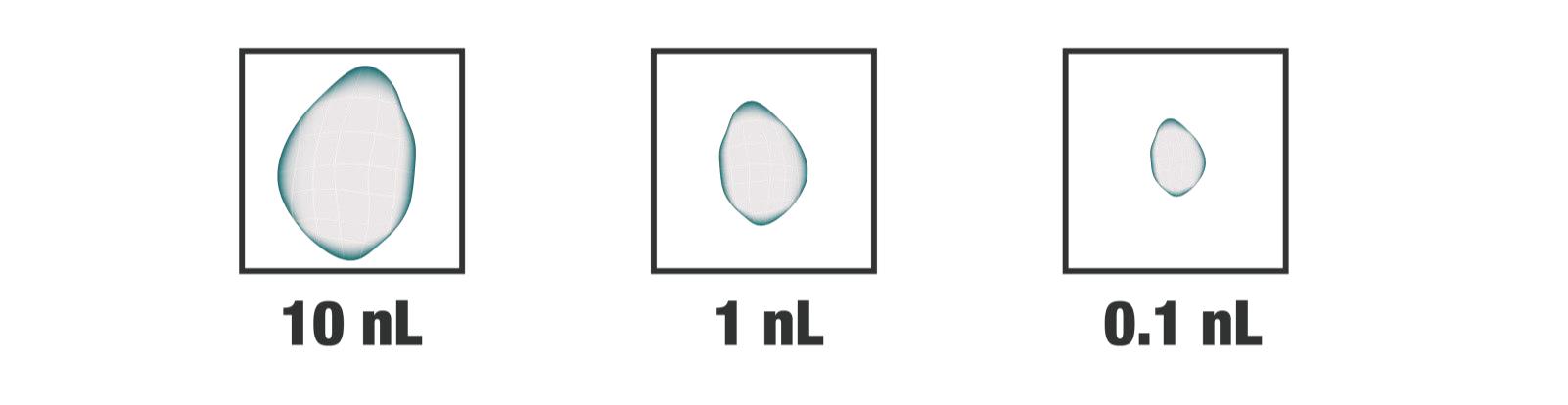
Droplet volume: 0.1 nL - 10 nL
Picoliter range under development!
Plug-and-play controller
VoD® - (Volume on Demand) compatible with the NanoStrobeX camera system
Simplified operation without the need for air pressure
Reliable and durable piezoelectric actuator
Easy integration into material processing equipment
Suitable for low-viscosity diluents, suspensions, emulsions, tinctures and all-purpose formulations
Gentle dispensing technology preserves the integrity and viability of fragile cell aggregates – on-demand volume range adjustment to boost productivity
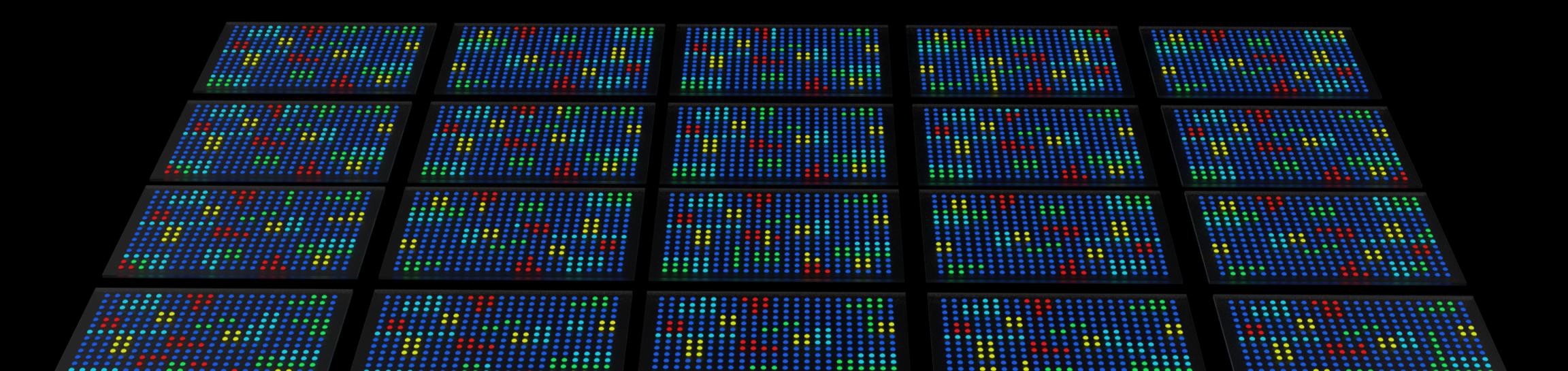
Microarrays are commonly used tools in research and diagnostics. They come in various forms, such as DNA arrays, protein arrays, glycan arrays, or bead arrays, and allow for efficient multiplex testing of patient samples. A microarray consists of hundreds or thousands of spots arranged in a defined manner on a suitable surface (e.g., coated glass slides). The precise and repeatable positioning and dispensing volume of the valve and platform are ideally suited for this purpose. Depending on the detection format for which the array is used, the spots can consist of different materials (e.g., different DNA oligomers), requiring adaptability of the dispensing system.
Lab-on-a-chip devices can be applied in a variety of healthcare applications, particularly in the field of point-of-care diagnostics. These compact microfluidic devices, equipped with microchannels, chambers and other functional components, perform diagnostic tests through reactions between patient samples and reagents. Such devices deliver test results in a short time with minimal sample volumes. Depositing reagents onto the chip is a highly demanding task that requires high-precision filling of small cavities and microchannels, which can be efficiently accomplished with a suitable valve and platform.


 Data Download

+86 512-6729 6366
+86 189 1261 4422